
Applications of Road Ecogrids

Discover the versatile applications of Ecogrids – from home gardens and driveways to advanced maneuvering areas and road investments. Our cellular systems are a fully permeable, rut-resistant alternative to concrete and paving stones. Check how to effectively stabilize the ground and maintain a high coefficient of biologically active surface.

How to choose an Ecogrid for a specific application?

The choice of the appropriate ground stabilization system depends primarily on the planned dynamic load and the function of the area. Modern ecological surfaces successfully replace concrete paving stones or asphalt, offering full water permeability and preservation of biologically active surface.
When designing the surface, it is crucial to distinguish between light wheel traffic (passenger cars) and heavy traffic (commercial vehicles, fire trucks). A higher grid wall (e.g., 50 mm) and thicker Ecogrid walls are necessary wherever regular wheel turning in place occurs, which generates enormous shear forces.

Compare Ecogrids
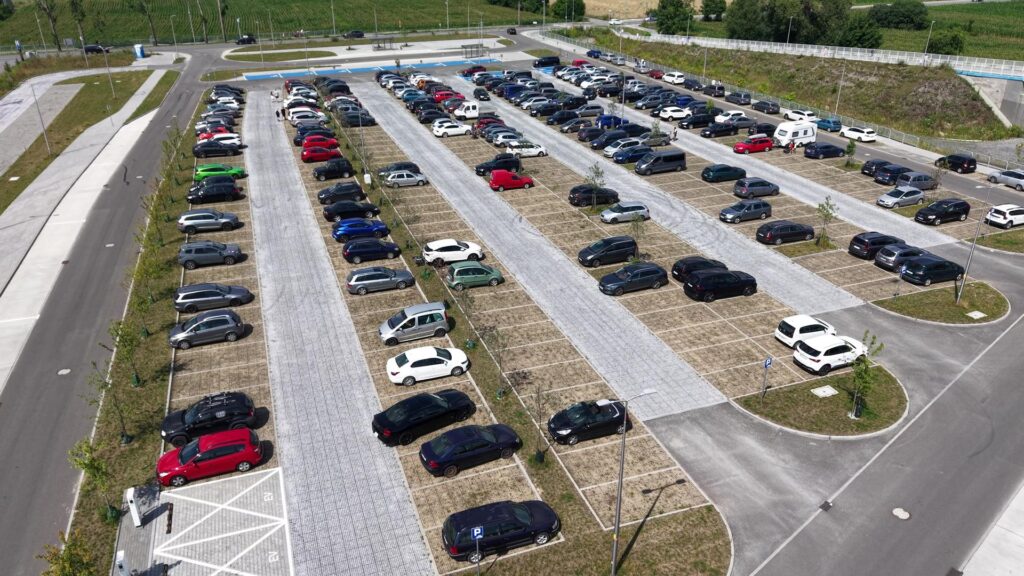
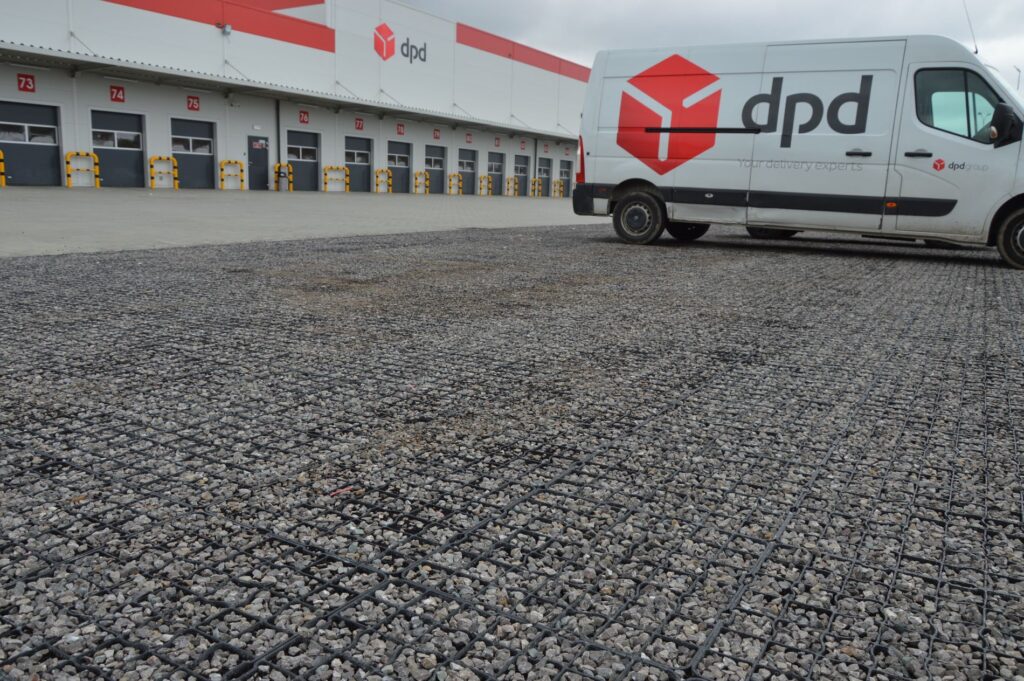
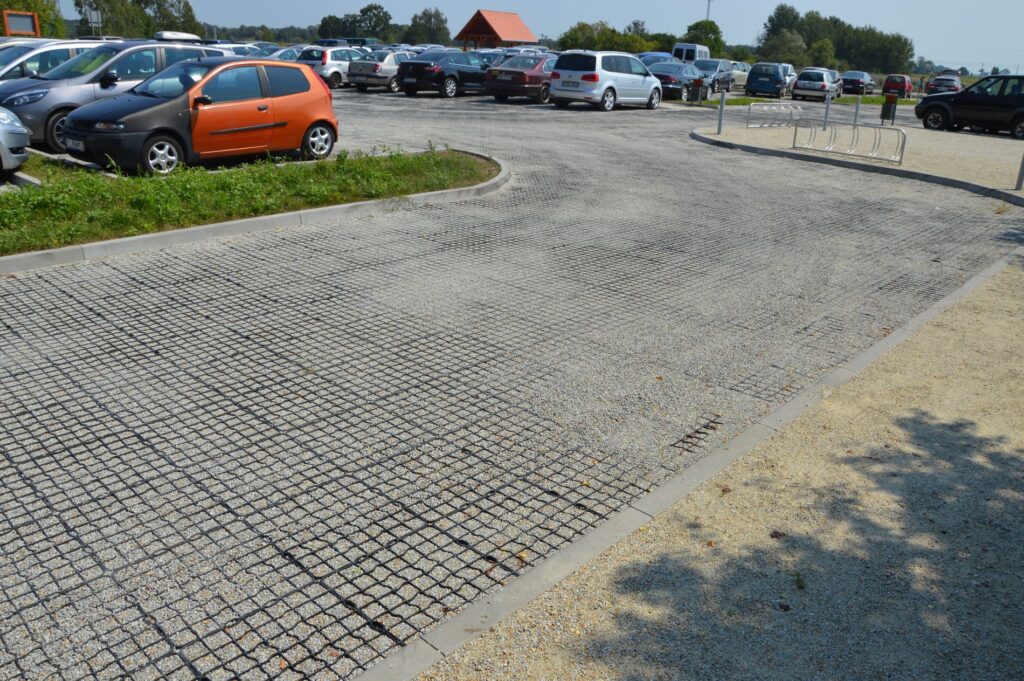
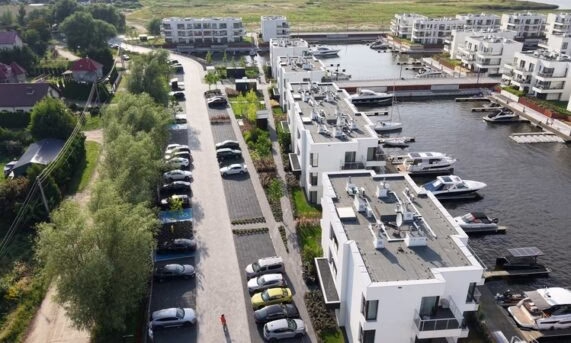
Parking made of Ecogrid
Surface type / ApplicationRequired load classSuggested grid heightType of filling (Recommended)Main technical advantages
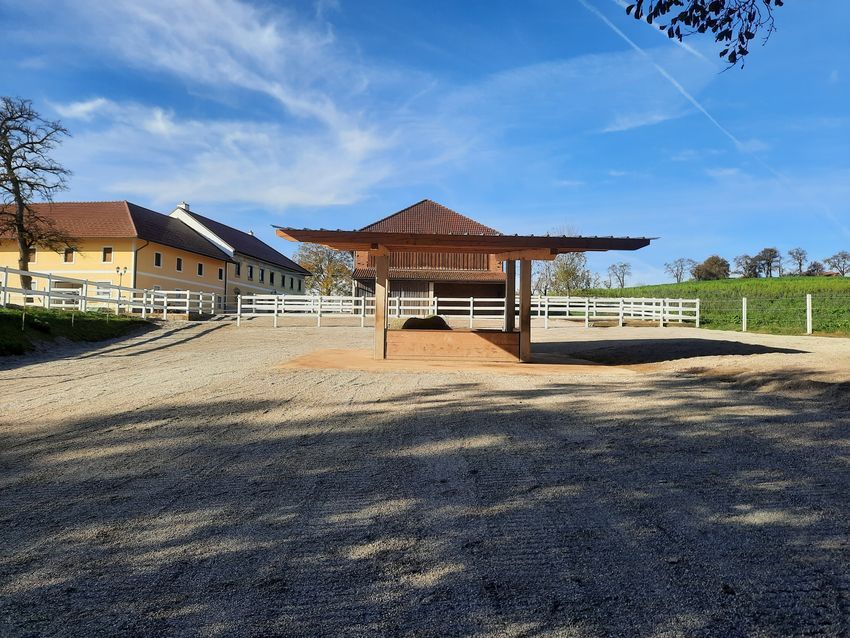
Home and garden (paths, borders)up to 200 t/m²30 mm -40 mmDecorative grit / Soil + Grass100% permeability, aesthetics, no architectural barriers
Driveways and private parkingup to 400 t/m²40 mm – 50mmCrushed aggregate (e.g., 8-16 mm)Wheel stabilization, no ruts, resistance to maneuvering
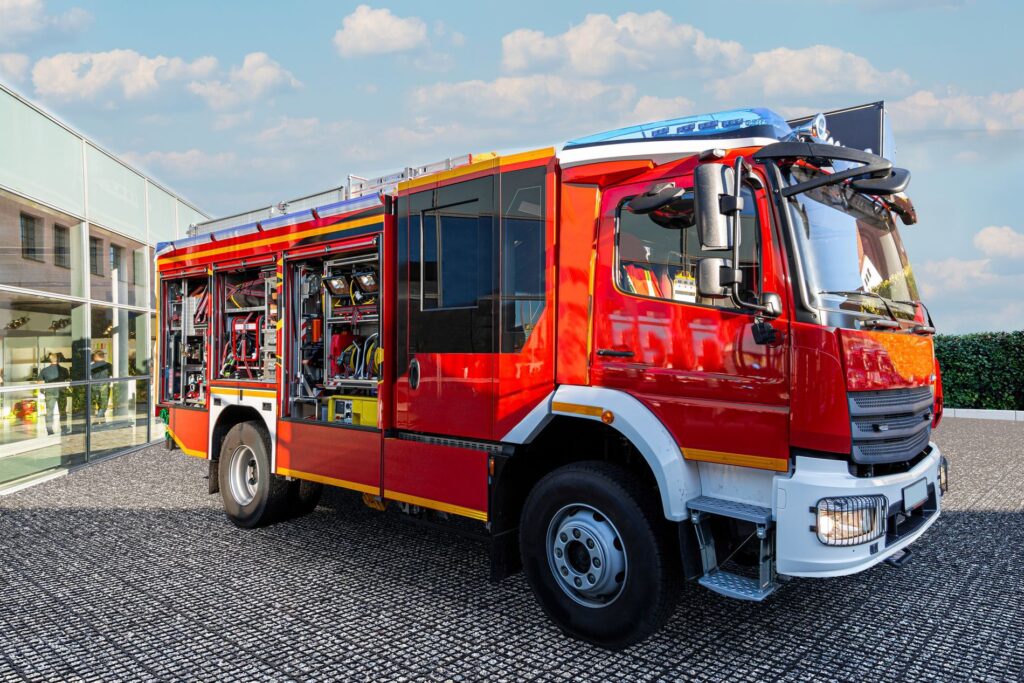
Fire access roads and maneuvering areasup to 1000 t/m²50 mm (reinforced)Grit / Soil + GrassLoad capacity for heavy vehicle axles (weight over 40t)
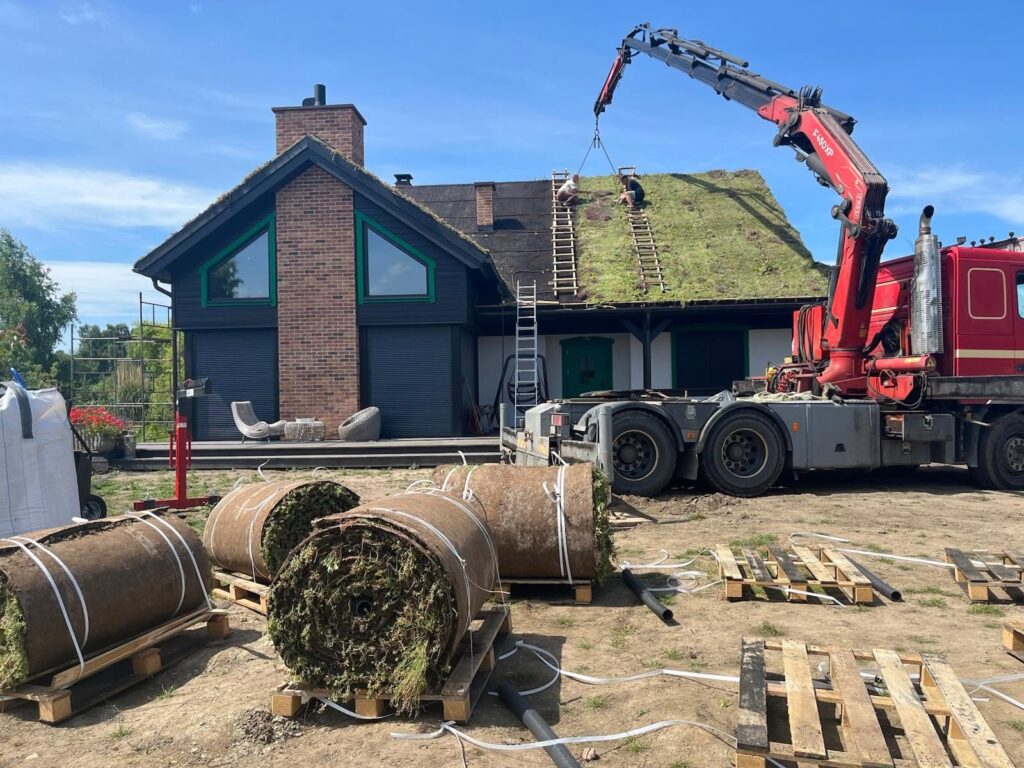
Slopes, scarps and embankmentsup to 200 t/m²40 mm – 50 mmSoil for sowing / HumusErosion protection, root stabilization, water retention

Frequently Asked Questions

Short answers — expand a question to see details.

For home driveways, Ecogrids with a height of 40 mm and load capacity up to 400 t/m² are most often used. However, the key to durability is not the grid itself, but a properly constructed and compacted sub-base of crushed aggregate, which prevents soil settling under the weight of the vehicle.

Yes, but only top models dedicated to advanced industrial and investment applications. A surface intended for fire access roads must feature the maximum load class and meet strict building standards confirmed by appropriate technical certificates and approvals. This allows for safe maneuvering and stable passage of heavy rescue and firefighting vehicles with high axle pressure without the risk of damaging the ground structure.

Regular inspection of the surface and layer maintains the filtration function and aesthetics — the scope depends on the use of the facility.

A properly installed Ecogrid filled with grassy or gravel substrate allows for maintaining up to 80-90% of biologically active surface (depending on the model). This is crucial when designing investments in accordance with the local spatial development plan (MPZP) and allows avoiding the rain tax.